
Graphite & Applications
Synthetic graphite, recovered
The material already exists. We recover it and make it battery-ready.
Nearly every lithium-ion battery uses graphite in its anode. Over 95% of anode grade synthetic graphite supply today comes from China. ReGen is creating supply that the West can depend on, without the carbon or capital intensity of producing new synthetic graphite.
Our synthetic graphite
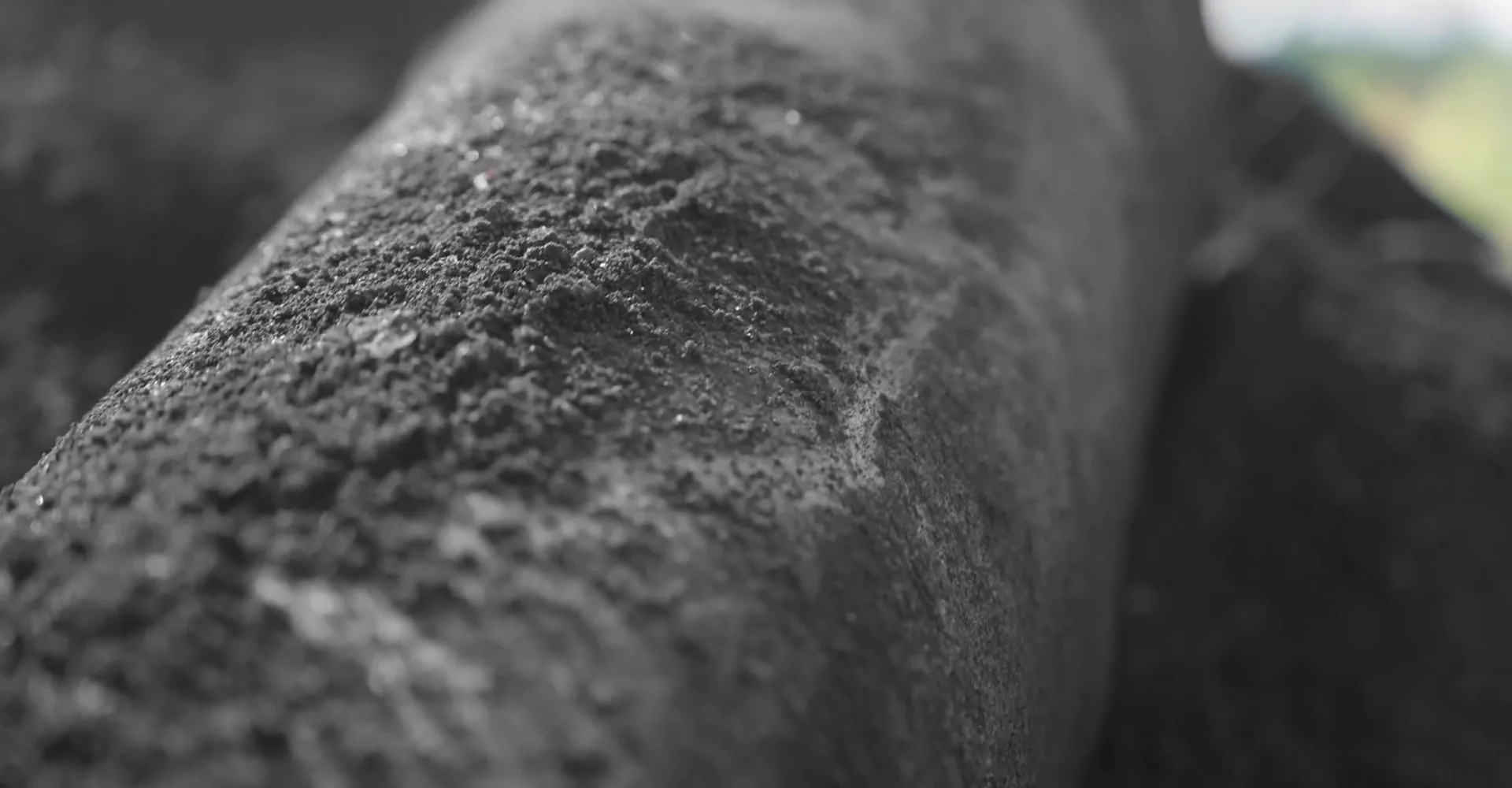
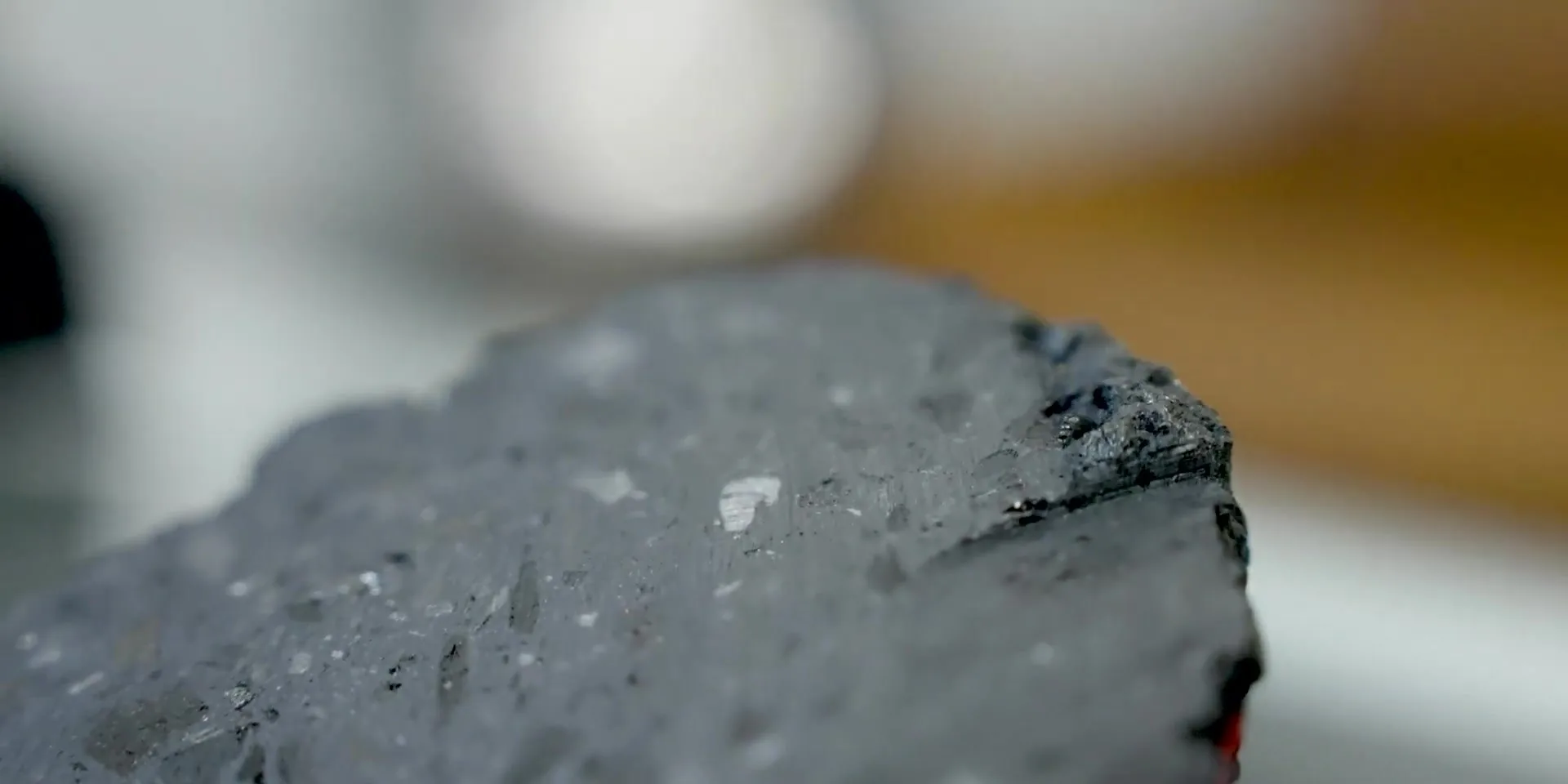
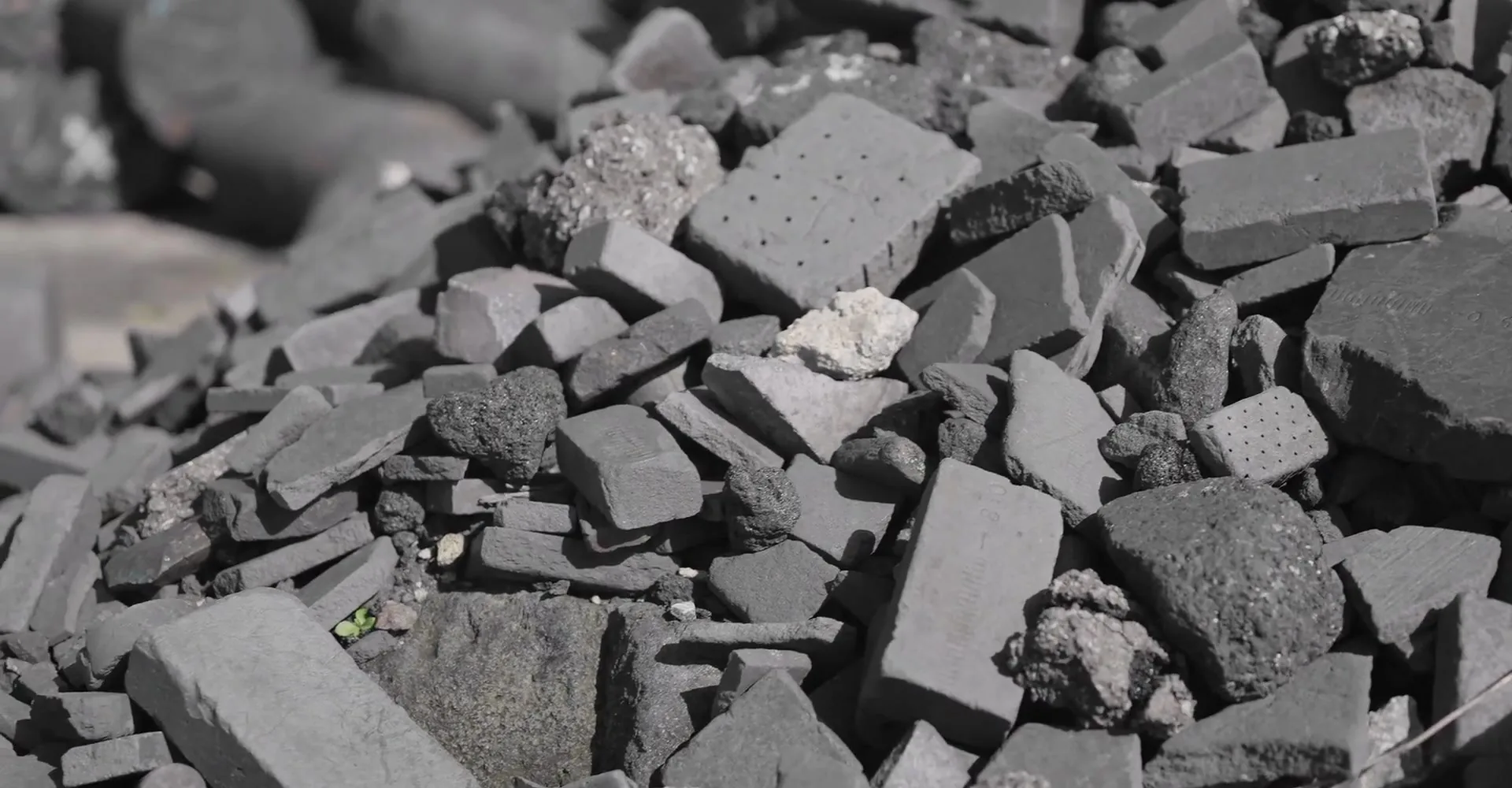
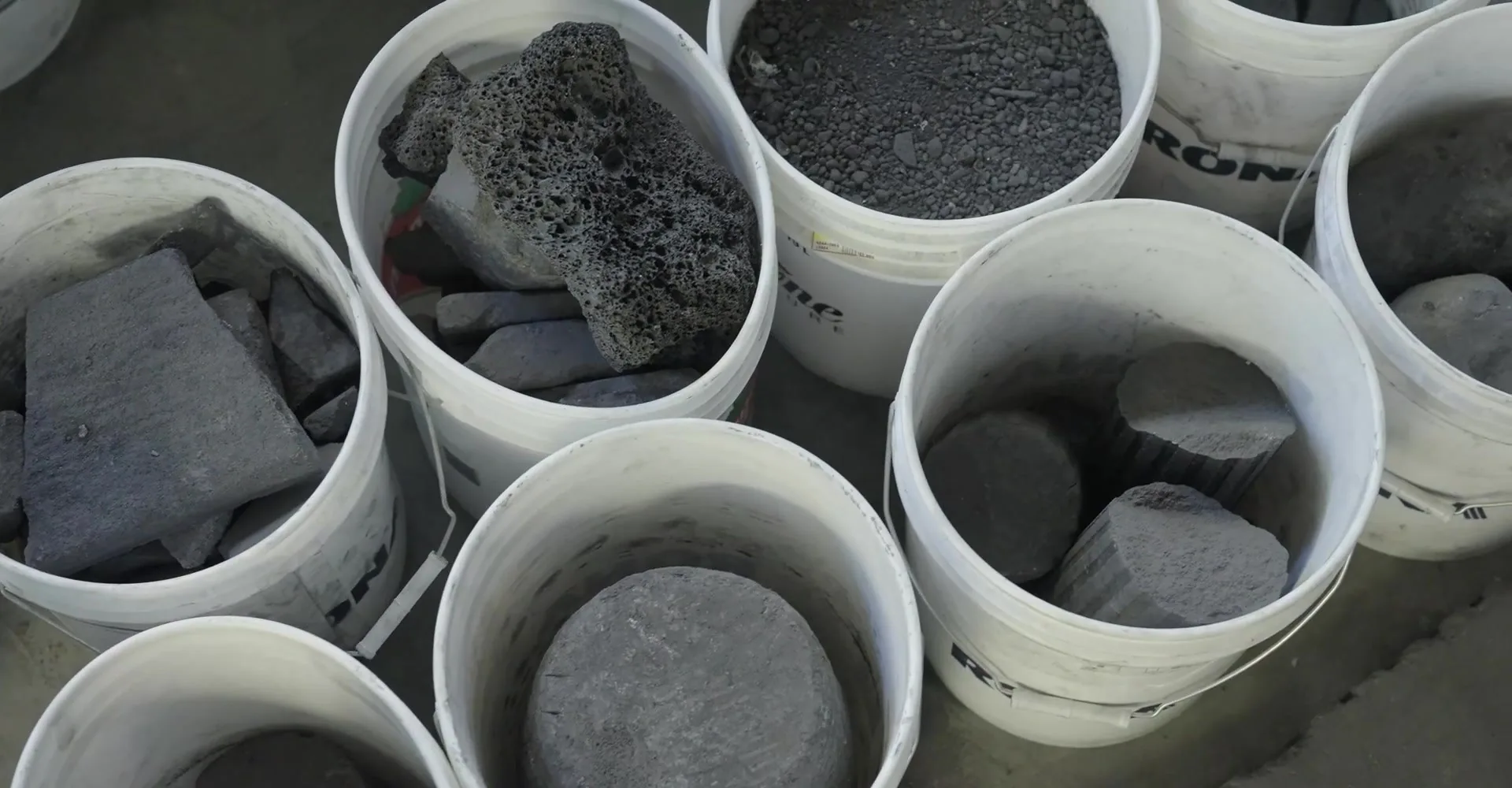
ReGen’s core product is synthetic graphite, the material that forms the anode in lithium-ion batteries and supplies other critical applications. Every ReGen site is a former manufacturing facility where synthetic graphite was produced for a wide range of applications throughout the 20th century. When operations ended and the plants closed, graphite-bearing material from decades of world-class production was left in place. ReGen is now repurposing that material for the synthetic graphite applications of the future.
Key advantages of recovered synthetic graphite
Faster
ReGen’s synthetic graphite already exists. Every site is brownfield: simpler permitting, and no mine to build.
Cheaper
Lower capital and operating costs than building a plant to make synthetic graphite from scratch.
More secure
ReGen already owns the synthetic graphite, and it is already in North America and Europe. No supply chain to secure, no geopolitical exposure.
More sustainable
Processing existing synthetic graphite is less carbon-intensive than manufacturing it new, and production remediates old industrial sites instead of opening new mines.

How recovery works
Three stages, from site to cell maker.
- Stage 01
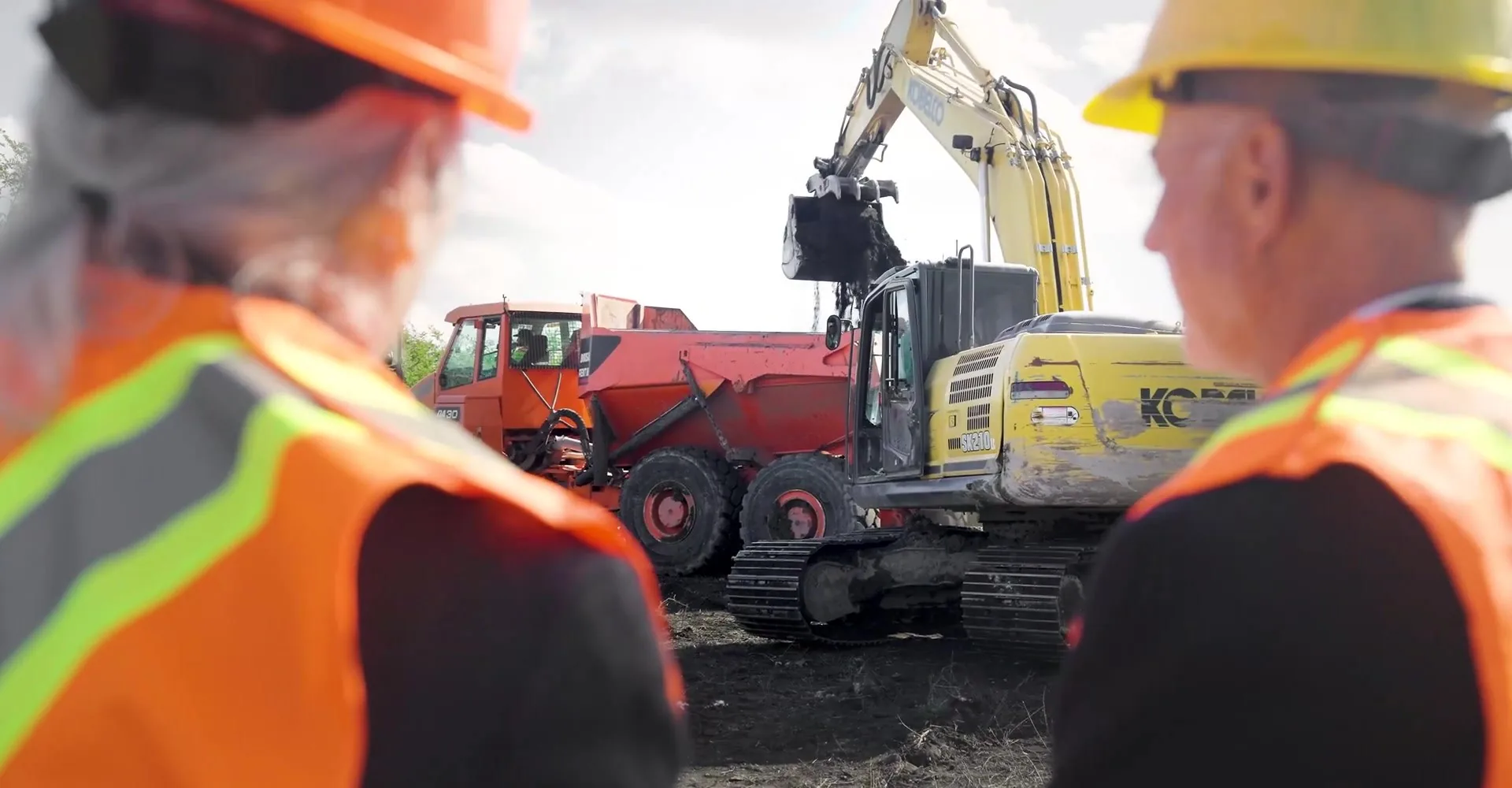
Recover.
Existing synthetic graphite already on site is excavated, sorted and crushed.
- Stage 02
Mill and purify.
The recovered graphite is milled and purified to anode-grade specifications using ReGen’s proprietary process.
- Stage 03
Coat.
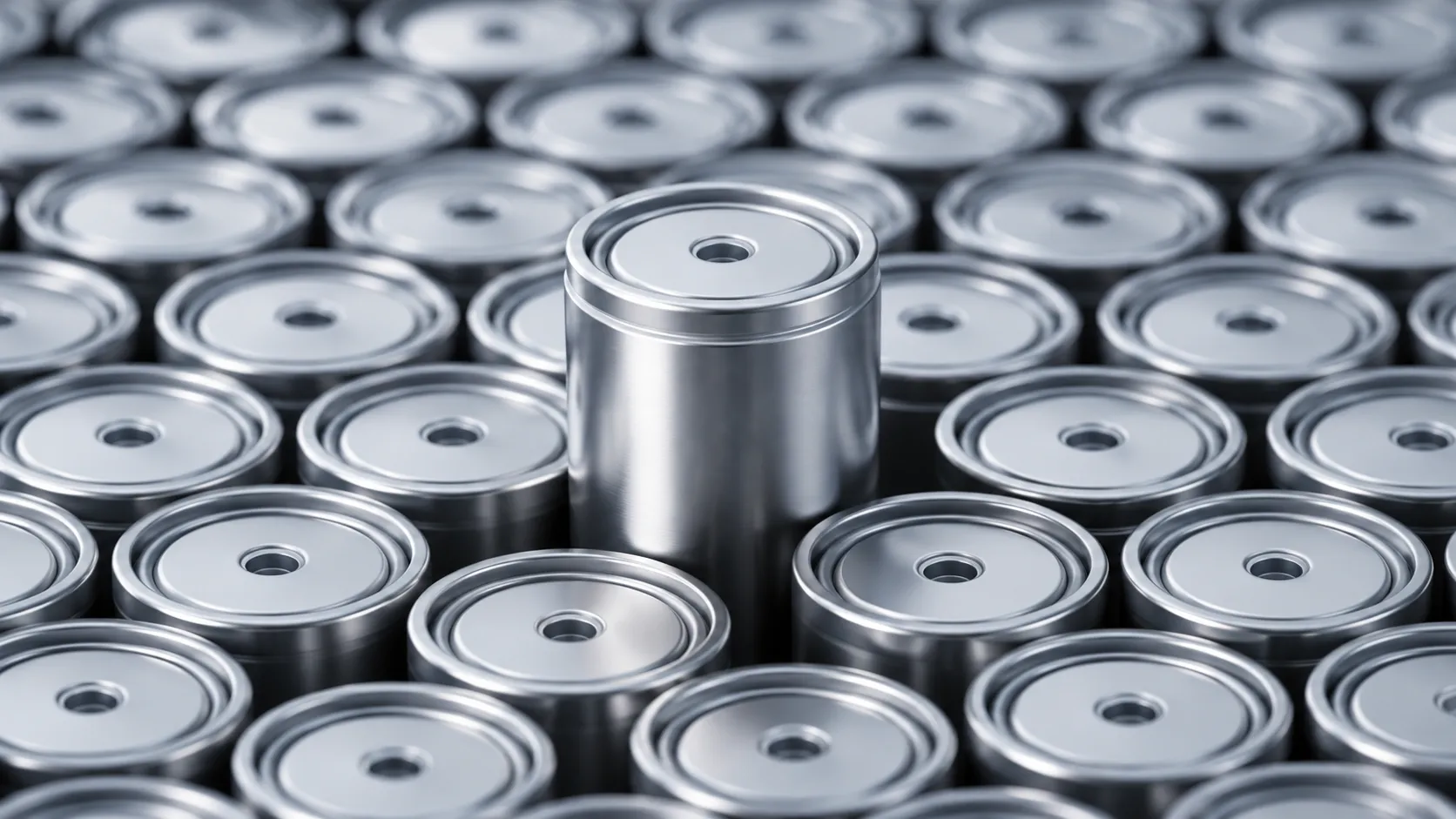
The synthetic graphite can also be coated to produce anode active material for battery and cell manufacturers.
Where it goes
ReGen's synthetic graphite is intended for battery and cell makers and other strategic industries.
Electric vehicles.
Graphite is the anode material in EV battery cells.
Energy storage.
Stationary batteries for the grid and for industry.
Defence.
Batteries for defence applications.
Aerospace.
Graphite for aerospace applications.


